There a couple of stories written about slavery by white women, namely Louisa May Alcott and Harriet Beecher Stowe. I think both of these writers did a tremendous job to bring various perspectives on slavery to their audience. It was a very important task to do what they had done, and the world was better for having their literature exposed to the masses.
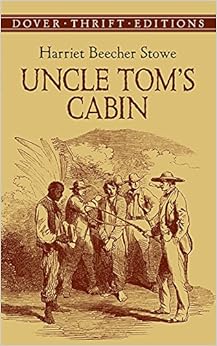
Harriet Beecher Stowe wrote the novel Uncle Tom's Cabin. It was a massive success around the world, and it featured characters from various walks of life. She spotlighted the point of view of slaves, slave owners, women men, and children. Some of them were politicians, husbands and wives, mothers and fathers, fugitives, and so on. Stowe showed what it may have been like to be a slave, to be a slave owner, to be a Northerner with seemingly no stake in the matter, and so on. She provided all sorts of ways to look at slavery, but she sent the message that slavery was not acceptable. She made her point in a very persuasive and open minded way. I think this is why her book was so popular.

Louisa May Alcott was, I think, more combative and controversial on her take of slavery. Her short story "My Contraband" was written during the Civil War, and the story is as dreary and torn as one might imagine the Civil War to be. Alcott creates a love story between a biracial, or black as some would consider anyone of color, man and a white woman. This story is heated and tense with a thick and bloody history between characters. Alcott takes a stronger stance on race relations in general. Not only does she express detest for slavery, but she dares the reader to define love beyond the concept of race. It is a powerful story that is uncomfortable for some even today, let alone during the Civil War. I can only imagine how brave she must have been to write such an idea into a story, or the reaction of her readers.
Both of these women did not know what it was like to be a slave, but women of that time did know something about oppression, and these two women used that to the best of their unique abilities to make a great contribution to society.

No comments:
Post a Comment